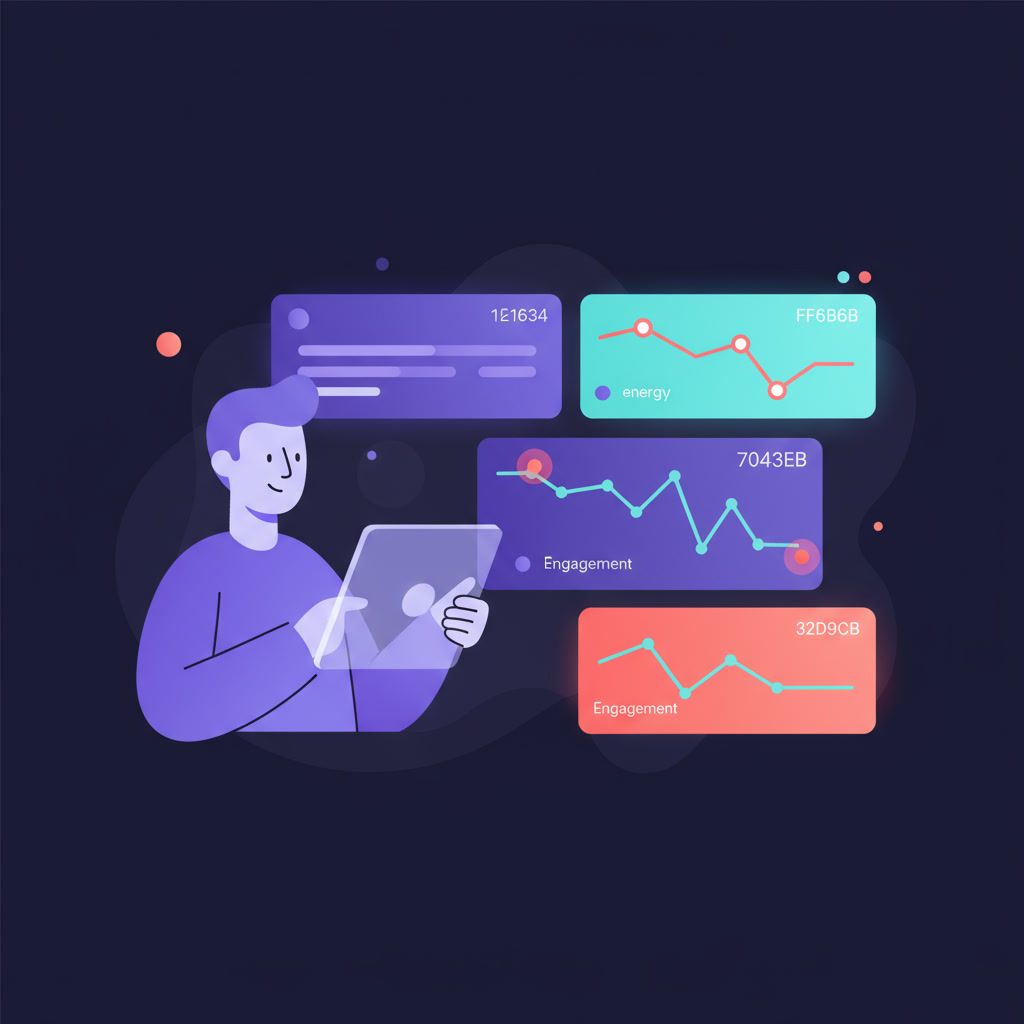
Burnout doesn’t start with a breakdown. It starts with silence.
Most teams notice burnout too late.
It shows up in:
- Missed deadlines
- Short replies
- Disengagement
- Sick leave
But by the time it’s visible, it’s already expensive — in energy, productivity, and sometimes people.
The key is to spot fatigue trends before burnout takes hold.
Here’s how to recognize team-wide fatigue early — and how to take small, preventative steps that keep people energized.
📉 Burnout Is a System Failure, Not an Individual One
We’re trained to spot burnout in individuals:
😩 One person stops responding
😞 One person vents on a call
🤯 One person breaks
But more often, teams show fatigue as a group:
Symptom
Meaning
Drop in Slack activity
People are disengaging
Meetings feel flat
Emotional energy is low
Mood check-ins skew neutral/low
Team-wide fatigue is rising
Peer boosts vanish
Recognition drops = disconnection
These are leading indicators — and PulseBoard helps you catch them early.
🔍 5 Signs of Team-Wide Fatigue (You Might Be Missing)
1️⃣ Declining Pulse Check Participation
Silence = signal. If fewer people respond, they may feel “what’s the point?”
2️⃣ Increasing 😐 or 😩 Trends
Not everyone will say “I’m burned out.” But a slow shift to low or neutral mood is a red flag.
3️⃣ Fewer Peer Boosts or Kudos
When energy is low, people stop recognizing others — even small wins get missed.
4️⃣ Emotional Flatness in Comments
If comments shift from “excited about X!” to “busy, nothing to add,” it’s time to dig deeper.
5️⃣ Manager Pulse Trend Divergence
If leadership moods stay high while team moods drop… there's a gap in visibility and pressure.
🧭 How to Intervene Early (Without Panic)
🧠 The goal isn’t to fix everything overnight. It’s to create micro-adjustments that reduce pressure.
Try:
- Canceling or shortening meetings
- Offering flex days or async options
- Rebalancing workloads
- Using PulseBoard’s AI to surface patterns and take small steps
🛠️ How PulseBoard Helps
Feature
Benefit
Weekly pulse checks
Track mood and energy in real time
AI-powered summaries
Spot shifts in tone or emotion
Boost tracking
Monitor recognition and connection
Sentiment divergence alerts
Flag gaps between teams and managers
✅ Don’t Wait for Burnout to Happen
Burnout isn’t a personal failure — it’s often a team-wide energy drain that gets ignored.
PulseBoard gives you the tools to measure and manage energy early, so your team stays strong — before the cracks show.