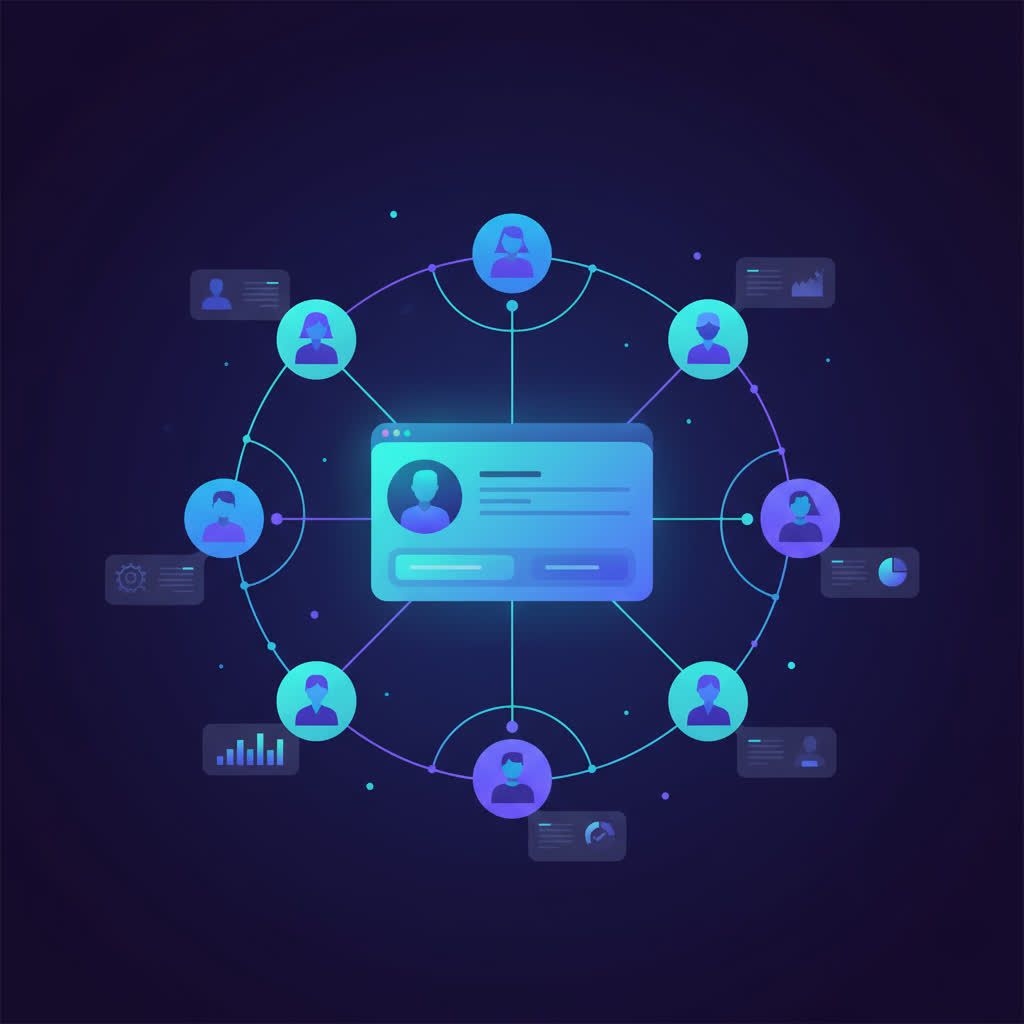
What if your team felt connected, supported, and productive — without yet another Zoom call?
In a world where meetings dominate remote calendars, many leaders equate “culture” with “calendar invites.”
But here’s the truth:
Remote culture isn’t built in meetings.
It’s built in the spaces between — in how your team feels, communicates, and supports each other asynchronously.
In this post, you’ll learn:
- Why traditional “culture rituals” don’t translate to remote work
- The silent killers of remote culture (and how to fix them)
- Practical, async-first strategies to build real team cohesion
- How PulseBoard supports remote culture without more meetings
🤯 Why Remote Culture Is So Easy to Ignore
When you’re not in an office, you lose:
- Hallway chats
- Energy check-ins
- Non-verbal signals
- Casual feedback loops
What’s left is Slack, Zoom, and Notion — fast-moving tools optimized for execution, not emotion.
This leads to the illusion of alignment. Everyone looks “fine” — but you don't see the dip in morale until someone quits, snaps, or checks out quietly.
🚩 The Silent Killers of Remote Team Culture
- Meeting overload → emotional exhaustion
- Slack fatigue → ignored feedback
- Lack of psychological safety → silent burnout
- Always-on availability → no space to recover
When culture = calls, your team starts associating "connection" with "drain."
That’s not sustainable.
🧠 Rethinking Culture: It’s Not Meetings, It’s Moments
Remote culture thrives when:
- People feel seen, even when they’re quiet
- Wins, challenges, and emotions are shared — asynchronously
- Feedback and check-ins are regular, but not intrusive
- There's space to think, and space to speak
And no, that doesn’t require another team-building Zoom call.
✅ How to Build a Healthy Culture Without Meetings
Here’s a framework that works:
1. Replace “How’s everyone doing?” with async mood check-ins
Instead of wasting time in team meetings asking how everyone’s feeling (and getting generic answers), let people check in on their terms.
Tools like PulseBoard allow lightweight weekly mood tracking — just a tap or emoji — plus optional comments.
It gives everyone a voice, not just the loudest ones.
2. Make emotional health visible — not awkward
Create space for emotions in your async channels:
- “Weekly pulse” threads in Slack
- #wins or #rough-days channels
- Monthly “how I’m really doing” reflections
Normalize human responses.
Culture = how you show up when things aren’t perfect.
3. Swap forced socials for meaningful rituals
- Skip the awkward virtual escape room
- Try “Friday Failures” Slack threads
- Share personal wins, frustrations, or goals async
- Do anonymous weekly pulse surveys with AI summaries
Remote teams don’t need fake fun — they need real trust.
4. Track trends, not just tasks
Project management tools tell you what’s getting done.
But they don’t tell you how your team is feeling while doing it.
Use tools like PulseBoard to surface:
- Emotional trends (stressed? happy?)
- Burnout warnings (multiple low check-ins in a row)
- Participation rate over time
Let data guide your culture building.
5. Replace performance reviews with continuous context
Instead of yearly “how are you feeling at work” meetings:
- Run async check-ins weekly
- Let AI summarize team sentiment
- Flag issues early
- Empower managers to act when it matters
👀 Real Culture Doesn’t Happen on Camera
A healthy team doesn’t need 5 meetings a week.
They need psychological safety, emotional visibility, and space to contribute asynchronously.
That’s exactly what PulseBoard is built for.
💬 Build Culture with 1 Click a Week
PulseBoard is the async culture layer your team didn’t know it needed:
- Weekly mood check-ins (Slack or browser)
- AI-powered summaries of how your team feels
- Early burnout detection
- Zero meetings required
Start building a real remote culture — without clogging the calendar.