Burnout rarely happens overnight.
It builds quietly — through endless notifications, skipped breaks, late-night “quick replies,” and the slow erosion of recovery time.
These small moments of fatigue often go unnoticed.
Until suddenly, someone says:
“I just can’t anymore.”
We call them micro burnouts — the invisible warning signs that pile up long before a collapse.
🧠 What Are Micro Burnouts?
Micro burnouts are the tiny daily stressors that drain energy faster than it’s restored.
They don’t show up in HR reports or engagement surveys — but they show up in behavior:
- The colleague who stops joining casual chats
- The manager who delays decisions
- The once-vocal teammate who now types “👍” and nothing more
These aren’t laziness or disengagement.
They’re early signals of exhaustion.
⚡ Why Micro Burnouts Matter
Traditional burnout prevention focuses on recovery after the crash.
But prevention happens long before that — in the patterns of everyday work.
Micro burnouts matter because:
- They spread silently – Fatigue is contagious in teams. When one person loses rhythm, others adjust downward.
- They’re invisible to traditional metrics – Engagement surveys or performance scores often miss emotional fatigue.
- They compound over time – One stressful week may fade, but ten in a row create lasting imbalance.
Burnout isn’t one event — it’s the accumulation of unnoticed moments.
🌱 The Hidden Sources of Micro Burnout
- Constant context switching
→ Jumping between Slack, email, meetings, and dashboards fragments focus. - Emotional labor
→ Staying positive while under pressure takes real energy — especially for leaders. - Lack of closure
→ Remote work often blurs endings. Without visible wins, the brain stays in “open loop” mode. - Unspoken pressure to be online
→ Even when policies allow flexibility, culture whispers: be available.
💬 Spotting the Signs
Micro burnouts show up subtly:
- A drop in emoji use
- Shorter replies
- Fewer spontaneous messages
- Increasingly “neutral” tone
Individually, these mean little.
Together, they form a pattern — a quiet plea for space.
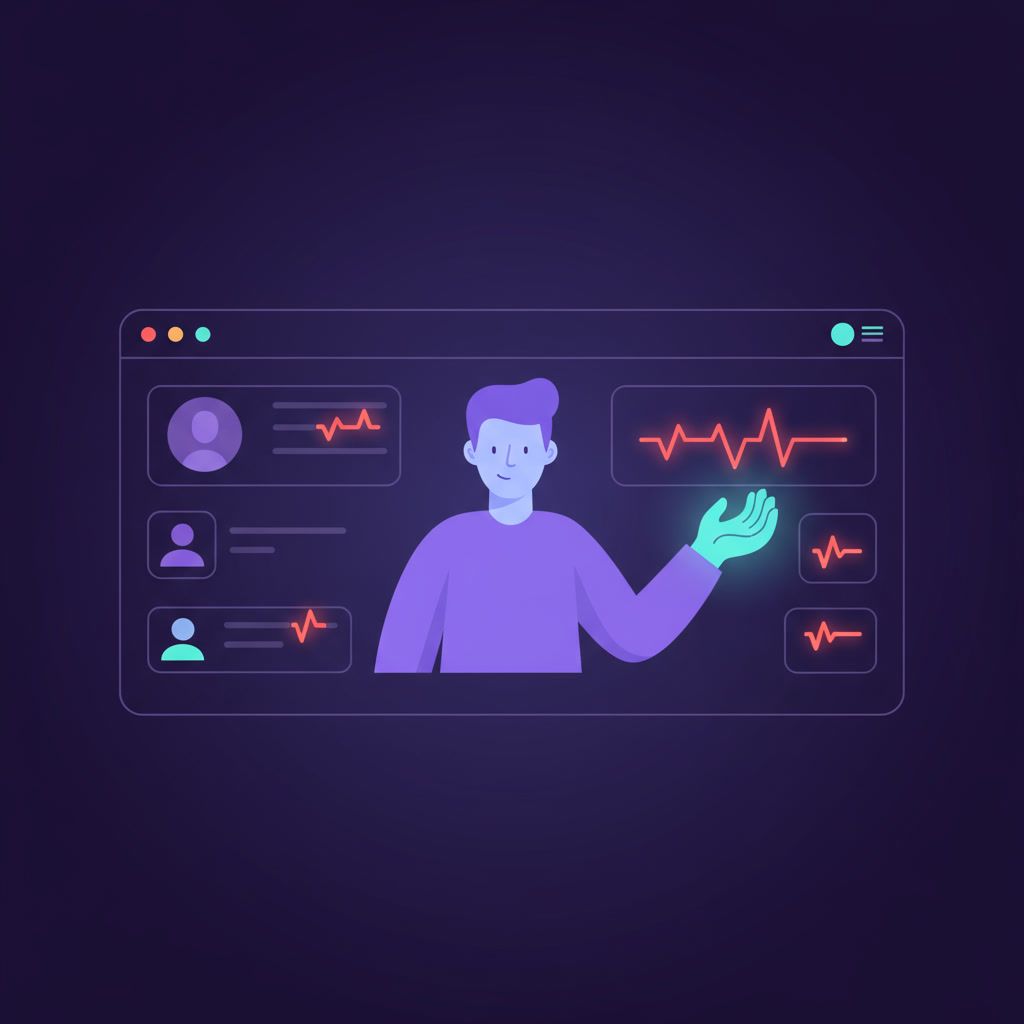
⚙️ The PulseBoard Perspective
At PulseBoard, we believe early awareness prevents long-term exhaustion.
That’s why our daily or weekly 10-second pulse check isn’t about collecting data —
it’s about revealing rhythm.
When energy dips, leaders can see it.
When someone goes silent, the system notices.
You don’t need another survey to prevent burnout — you need early emotional signals.
Micro burnouts can’t always be avoided.
But they can be caught.
And caught early, they rarely turn into full collapse.
❤️ In Summary
Micro burnouts are the friction before the fire.
They don’t make headlines, but they make teams tired.
Leaders who tune into these small signals protect their teams before the damage spreads.
Because burnout prevention isn’t about fixing people —
it’s about seeing them sooner.