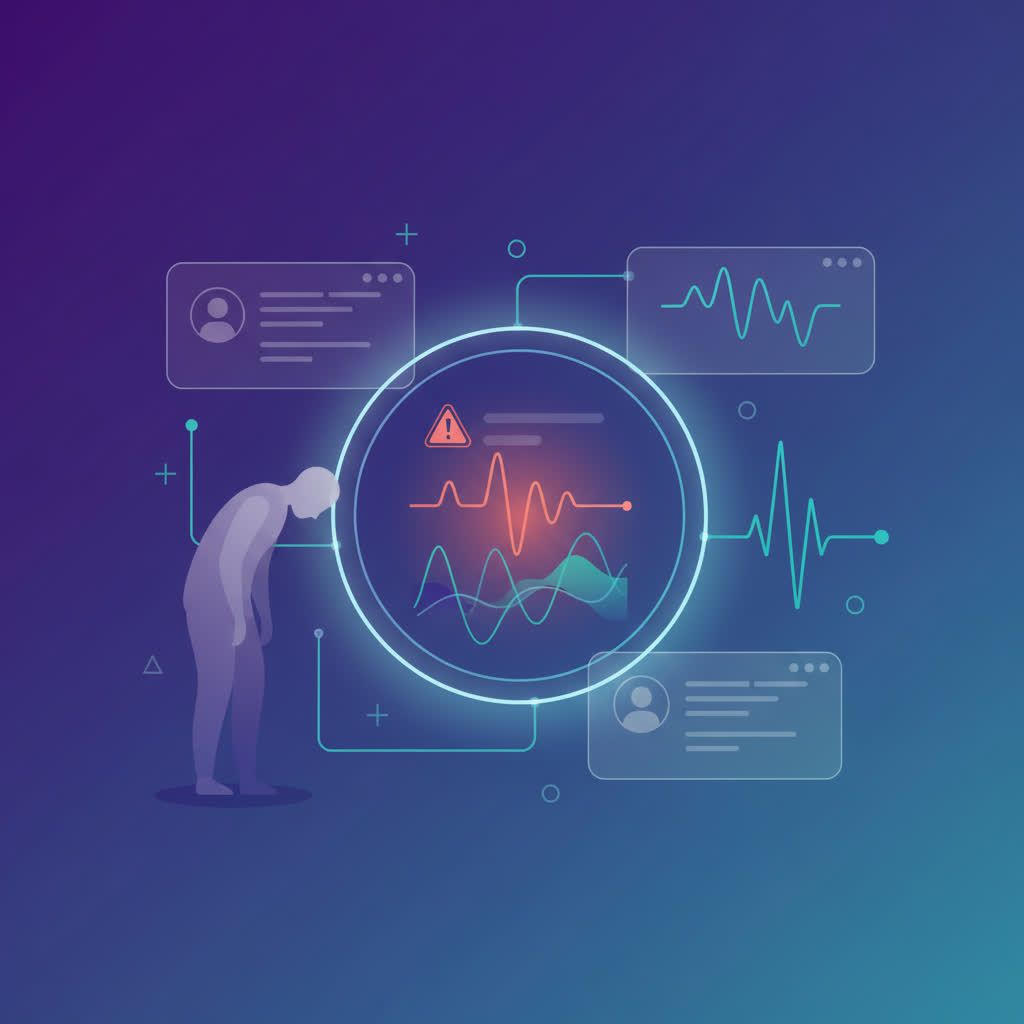
Burnout doesn’t happen overnight. But if you’re not looking for it, you’ll miss it — until it’s too late.
In a remote or hybrid workplace, burnout is invisible.
There are no slumped shoulders, no long sighs in meetings, no late-night desk lamp. Just silence. Slack activity drops. Camera stays off. Emails get shorter.
By the time someone tells you they’re burned out… it’s already been weeks (or months) of silent suffering.
This guide will show you:
- The early signs of burnout you probably overlook
- How burnout creeps in across roles and teams
- Why traditional HR systems miss it
- A modern way to catch it before it spreads
🔥 What Is Burnout (And Why You Should Care)
Burnout is officially recognized by the WHO as an "occupational phenomenon" — and a costly one.
It includes:
- Emotional exhaustion
- Cynicism and detachment
- Reduced performance and confidence
It’s not just about being tired.
It’s about becoming disconnected from purpose — and dangerously close to checking out completely.
💸 The cost? Burnout can lead to sick leave, turnover, disengagement — costing up to €18,000 per employee per year.
🧠 Why Burnout Is So Hard to Detect (Especially Remotely)
In an office, you could see the signs:
- Mood swings
- Isolation
- Overworking or underdelivering
- Conflict or withdrawal
But remotely? Here’s what burnout actually looks like:
Signal
What You Might See
Fewer check-ins
“All good” status updates, less feedback
Camera off
Avoids meetings or social calls
Late responses
Drops off Slack, delayed replies
Over-available
Never logs off, always says “yes”
Silent stress
No complaints, but no excitement either
The most dangerous burnout signs are subtle.
🚨 Early Warning Signs You Can’t Ignore
Burnout rarely announces itself. But these patterns are red flags:
1. Mood Variability
One bad week? That’s normal.
Three in a row? That’s a signal.
- Multiple low check-ins in a short time span
- Sudden dip after a busy project
- Emotional flattening: always “meh”
2. Drop in Participation
Burnout makes people pull back.
- Stops responding in Slack threads
- Skips async check-ins
- Stops giving feedback to peers
3. False Positivity
Some team members don’t want to “cause trouble.”
- Constant “I’m fine” even when things are clearly off
- No comments, no engagement
- Detachment masked as politeness
4. Overcompensation
Burned-out people sometimes do more to hide it.
- Working late hours
- Taking on extra tasks
- Refusing to say no or take breaks
Burnout can look like disengagement or overdrive.
🛑 Why Most Tools Don’t Catch It
- Quarterly surveys = too slow
- Performance reviews = too late
- Slack & project tools = task-focused, not emotional
And your team won’t tell you.
They don’t want to be seen as weak or difficult.
What you need is a quiet signal — something people trust and actually use.
✅ How to Catch Burnout Early with PulseBoard
PulseBoard helps remote teams detect burnout before it hits:
🔁 Weekly or Daily Check-Ins
- Lightweight mood tracking
- Optional comment field
- Slack-friendly, no app fatigue
🤖 AI Summary Reports
- Team sentiment in plain English
- Highlights low trends and high friction
⚠️ Burnout Alerts
- Flags employees with multiple stress markers
- Tracks “silent drop-off” trends over time
- Helps managers act early and with empathy
💡 Example: What PulseBoard Catches
Sarah logs 3 weeks of “meh” check-ins. She’s still shipping code. But her comments stop. Slack activity drops 30%.
PulseBoard flags her as “at risk” — her manager checks in directly and shifts her off a draining client.
Crisis avoided. Retention saved.
📈 Prevention > Reaction
Burnout doesn’t cost you when it’s visible.
It costs you when it hides — and becomes turnover, sick leave, and team instability.
With PulseBoard, you stay one step ahead.
🧘♀️ Start Detecting Burnout Early
Your team won’t always say it out loud.
Let PulseBoard help you see what’s really happening — before it gets expensive.